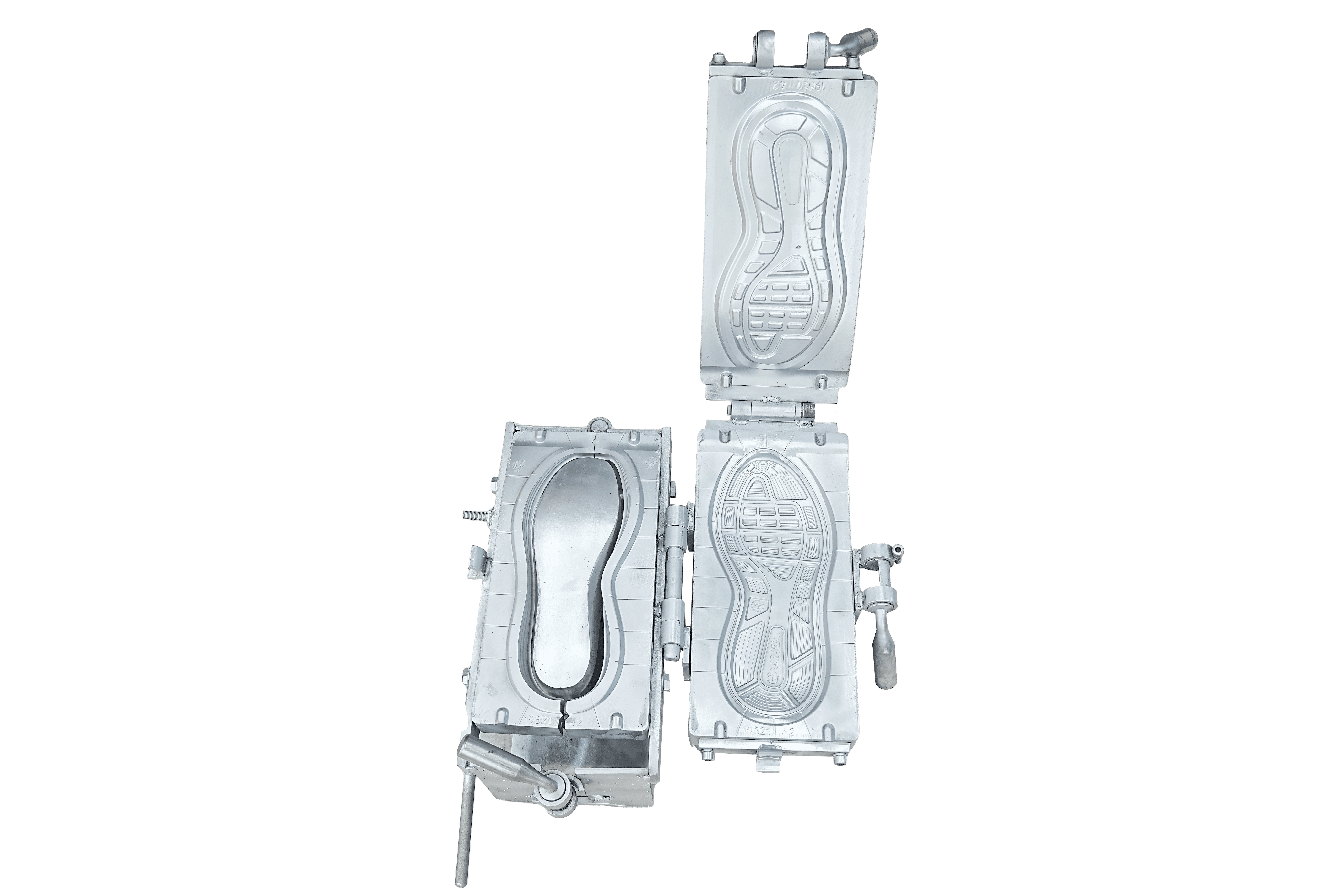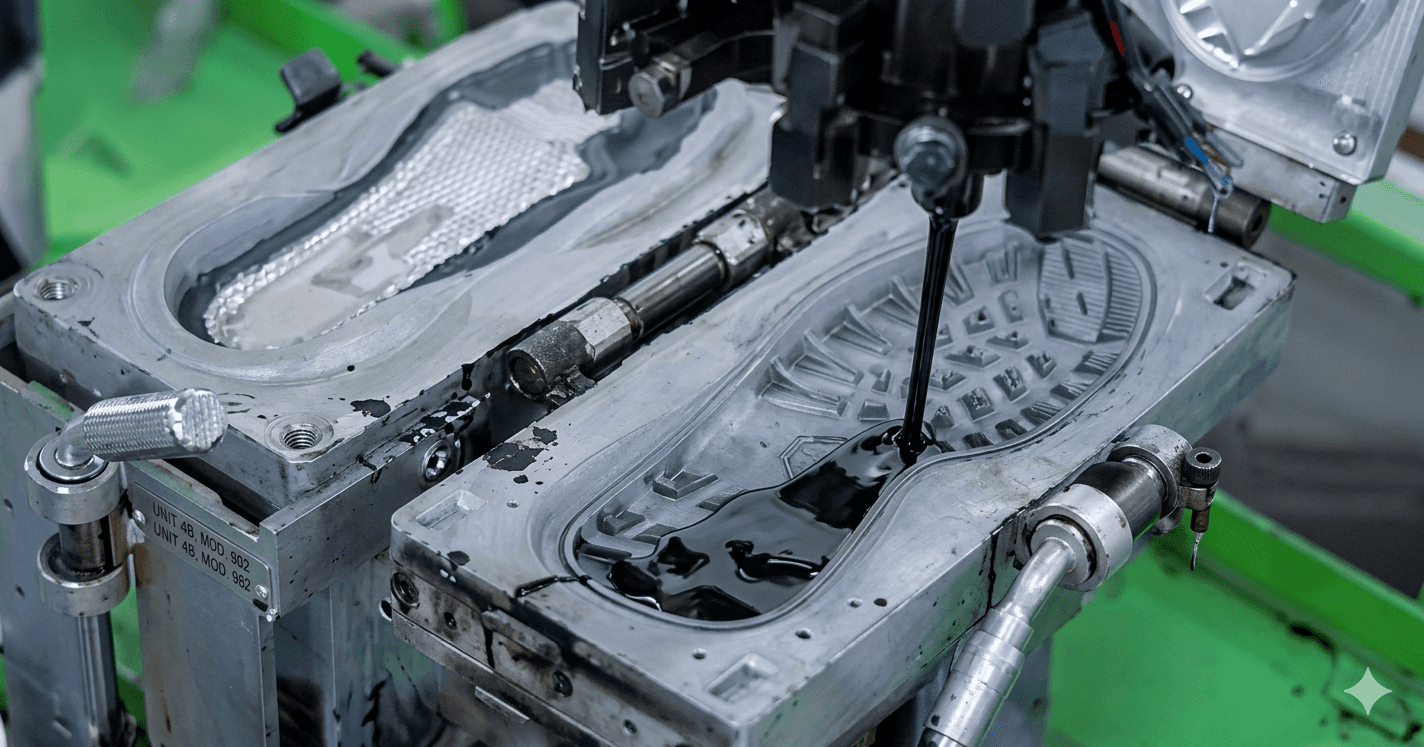
WHAT IS POLYURETHANE (PU)?
Polyurethane is a synthetic polymer created by reacting isocyanate with polyol. Unlike rubber, which is either natural or synthetic latex-based, PU is engineered at a molecular level — meaning its density, hardness, flexibility, and weight can all be precisely controlled during the manufacturing process.
This is a key reason why PU has become the go-to material for modern footwear production.
PU VS. RUBBER: HEAD-TO-HEAD COMPARISON
Rubber has been used in shoe soles for over a century. It's tough, grippy, and widely available. But compared to PU, it has clear limitations.
Weight
Rubber soles are significantly heavier due to their dense molecular structure.
PU uses a micro-cellular foam structure, making it 20–30% lighter than comparable rubber soles.
For workers wearing safety boots all day, or athletes in performance footwear, that weight difference is felt immediately.
Cushioning & Comfort
Rubber provides minimal natural cushioning — it absorbs impact by rigidity, not by compression.
PU soles compress and spring back, distributing pressure evenly across the foot.
PU insoles are especially valued for their long-term shock absorption that maintains performance over thousands of steps.
Durability & Abrasion Resistance
Both materials are durable, but rubber tends to crack and harden over time — especially in cold temperatures.
PU maintains its flexibility across a wide temperature range (-40°C to +80°C) and resists oils, greases, and chemicals far better than standard rubber.
Design Flexibility
Rubber is difficult to mold into complex shapes and requires significant tooling investment.
PU can be poured directly into molds with precise density control, enabling complex designs, dual-density constructions, and consistent quality at scale.
Cost Efficiency
Rubber requires vulcanization — an energy-intensive heat process.
PU is produced through a cold-pour process, consuming less energy and enabling faster production cycles.
PU VS. EVA (ETHYLENE VINYL ACETATE)
EVA is common in midsoles and budget casual footwear due to its extremely light weight and low cost. However, it has a critical weakness.
Compression Set
EVA compresses permanently under repeated impact. After 6–12 months of regular use, EVA midsoles lose up to 50% of their original cushioning.
PU recovers its shape after compression. Its resilience is significantly higher, making it the preferred choice for footwear that needs to last.
Temperature Sensitivity
EVA becomes stiff in cold weather and soft in heat, affecting performance consistency.
PU performs reliably across a broader range of temperatures.
Application EVA works well for lightweight casual shoes and sandals with a short product lifecycle. PU is the right choice for safety shoes, work boots, sports footwear, and any application where durability and consistent comfort matter.
PU VS. TPR (THERMOPLASTIC RUBBER)
TPR is a popular outsole material in budget footwear because it's inexpensive and easy to process. However, it falls short of PU in key areas.
Durability
TPR outsoles wear down faster and are more prone to tearing under stress.
PU outsoles consistently outperform TPR in abrasion resistance tests.
Weight
TPR is denser than PU, resulting in heavier soles.
Slip Resistance
TPR offers decent grip on dry surfaces but can be slippery on wet or oily floors.
PU's micro-cellular structure maintains better traction in varied conditions — a critical requirement for safety footwear.
THE ADVANTAGES OF PU SOLES & INSOLES: A SUMMARY
Whether used as an outsole, midsole, or insole, polyurethane delivers a consistent set of advantages that other materials simply cannot match across all categories:
Lightweight — micro-cellular structure reduces weight without sacrificing strength
Superior shock absorption — reduces fatigue for all-day wear
High resilience — retains shape and cushioning over the product's lifetime
Chemical and oil resistance — essential for industrial and safety footwear
Temperature stability — performs consistently from cold storage environments to hot factory floors
Design freedom — hardness and density customizable per application
Clean production process — cold-pour method is energy-efficient and scalable
WHY THIS MATTERS FOR FOOTWEAR MANUFACTURERS
Choosing the right sole material isn't just a product decision — it's a production decision. PU's advantages on the consumer side are only fully realized when the manufacturing equipment can deliver consistent mixing ratios, stable temperatures, and precise pouring every cycle.
At JG Shoe Machine, we have over 20 years of experience designing PU pouring machines that give manufacturers full control over these variables — from small workshops producing casual footwear to large-scale factories running multi-density safety boots.
If you're evaluating whether to upgrade your production line to PU or optimize an existing setup, contact our team — we're happy to walk you through the right machine configuration for your output requirements.
Explore our PU pouring machine lineup: JG-801 | JG-802 | JG-803 | JG-805
You can click on our products below to see more!
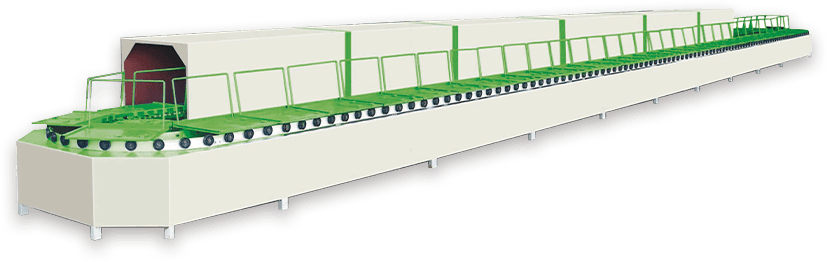
Ring Production Line
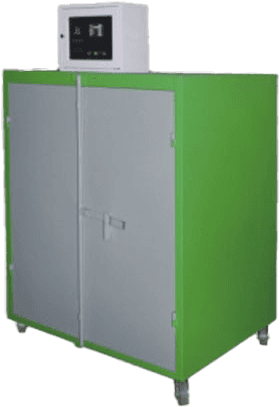
Auto Raw material oven