Building a PU sole or direct-injection footwear production line requires more than just a PU injection machine. A complete setup normally includes a conveyor line, preheating oven, shoe molds, lasts, PU raw materials, production additives, and a compressed-air system.
These machines and materials work together to ensure stable production efficiency and consistent product quality.
1. PU Sole pouring Machine
The PU sole pouring machine is the core equipment of the entire production line. It is responsible for metering, mixing, and injecting the PU raw materials.
During production, Material A and Material B enter the mixing head at a specified ratio. After being thoroughly mixed, the materials are injected into the shoe mold, where they react, foam, and cure to form the PU sole.
The main functions of the PU pouring machine include:
Storing and conveying PU Materials A and B
Controlling the temperature of the raw materials
Metering the materials at the specified mixing ratio
Mixing Materials A and B
Injecting the mixed material into the shoe mold
Controlling the injection volume and production parameters
A stable mixing ratio, temperature, and injection volume are essential for controlling the weight, density, hardness, and appearance of the finished PU sole.
2. Production Conveyor Line
The conveyor line connects the different production processes and transports shoe molds, lasts, uppers, or finished soles according to the required production cycle.
Its main functions include:
Connecting preheating, release-agent spraying, injection, curing, and demolding processes
Moving products at a consistent production pace
Reducing manual handling
Improving production efficiency
Maintaining continuous workflow between workstations
Allowing operators to perform lasting, injection, demolding, and inspection tasks efficiently
The length, number of workstations, and operating speed of the conveyor line should be determined according to the machine capacity, product type, and required daily output.
3. Oven
The preheating oven is mainly used to preheat and maintain the temperature of shoe molds, lasts, and shoe uppers.
PU materials are sensitive to production temperature. If the mold temperature is too low, it may cause incomplete reactions, surface defects, poor bonding, or longer curing times.
The main functions of the oven include:
Preheating shoe molds and lasts
Maintaining a stable production temperature
Preheating and drying shoe uppers
Improving PU flow and foaming performance
Improving the bond between the PU sole and the shoe upper
Reducing curing and molding time
The oven temperature should be adjusted according to the PU material system, upper material, and production process.
4. Shoe Molds and Related Tooling
Shoe molds determine the shape, dimensions, tread pattern, and structure of the sole. When producing complete footwear, roughing jigs and shoe lasts are also required.
4.1 Roughing Jig
A roughing jig is used to assist with roughening the bottom area of the shoe upper and to define the area that requires surface treatment.
It helps ensure consistent roughing and improves the bond between the shoe upper and the directly injected PU sole.
4.2 Shoe Last
A shoe last supports the upper and forms the internal shape of the finished shoe.
Its main functions include:
Fixing and supporting the shoe upper
Maintaining the shape of the toe, body, and heel
Positioning the upper correctly inside the shoe mold
Preventing deformation during injection
Ensuring dimensional accuracy for different shoe sizes
The shoe last must match the shoe mold, shoe size, and footwear design.
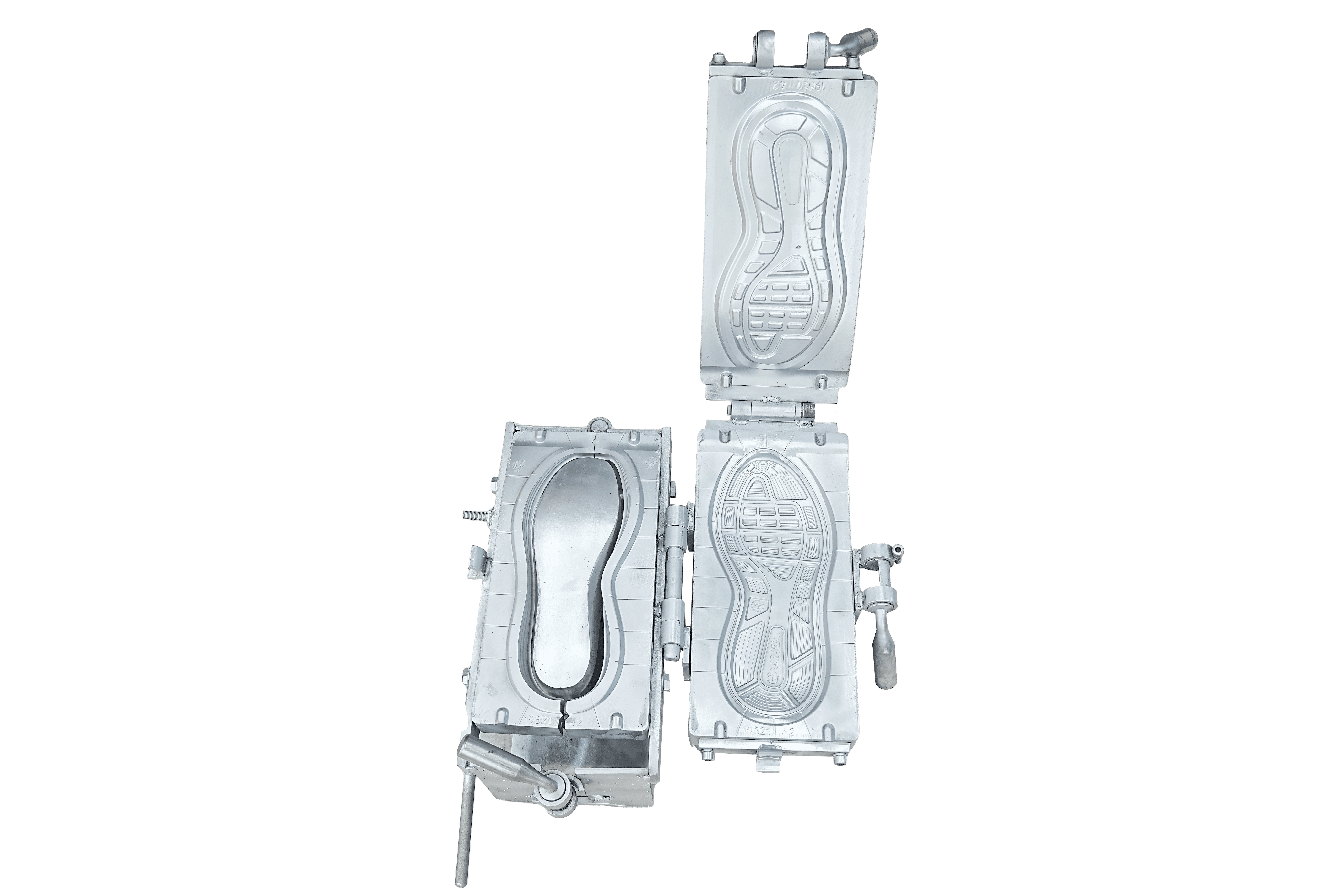
4.3 Shoe Mold
The shoe mold holds the mixed PU material while it foams and cures into the required sole shape.
Its main functions include:
Forming the shape and tread pattern of the sole
Controlling the dimensions and thickness of the sole
Forming antislip patterns, logos, and structural details
Positioning the last and shoe upper
Producing single-density or dual-density PU soles
Each footwear design normally requires corresponding molds and lasts for every required size.
5. PU Raw Materials
The main raw materials used for PU sole production are PU Material A and Material B.
5.1 PU Material A
Material A normally refers to the formulated polyol component. Depending on the required formulation, pigment paste and functional additives may be added to Material A.
5.2 PU Material B
Material B normally refers to the isocyanate component, also called ISO. It must be mixed with Material A at the specified ratio.
Materials A and B react and foam to form the PU sole. They are the main raw materials used in PU sole production.
PU raw materials determine or influence:
The main structure of the PU sole
Sole density and hardness
Elasticity, abrasion resistance, and flex resistance
Curing and demolding time
The production of single-density or dual-density soles
Materials A and B must be used according to the mixing ratio, temperature, and processing parameters specified by the material supplier.
6. Production Additives
6.1 Antistatic Agent
Antistatic agents are used for soles requiring antistatic properties, such as safety shoe soles.
Their main functions include:
Improving the electrostatic-dissipative properties of the sole
Helping the finished product achieve the required electrical resistance
Meeting the requirements of certain safety shoes and occupational footwear
The antistatic agent is normally added to Material A. The dosage should be determined according to the target electrical resistance and finished-product test results.
6.2 Mold Release Agent
The mold release agent is sprayed onto the shoe mold before injection.
Its main functions include:
Facilitating the demolding of the finished sole
Reducing adhesion between the PU sole and the mold
Protecting the surface of the sole
Reducing product damage during demolding
Improving finished-product quality and production efficiency
The release agent should be applied evenly using a spray gun. Excessive or insufficient application may affect product quality.
6.3 Mold Cleaning Agent
The mold cleaning agent is used to remove PU residues and dirt from shoe molds.
Its main functions include:
Removing PU residues from the mold
Removing release-agent buildup and other contaminants
Keeping tread patterns and logos clear
Reducing surface defects
Extending the service life of the mold
Shoe molds should be cleaned and maintained regularly according to actual production conditions.
6.4 Pigment Paste
Pigment paste is mixed with Material A to produce PU soles in different colors.
Its main functions include:
Producing different sole colors
Matching customer samples or color cards
Maintaining color consistency between production batches
Meeting brand and product appearance requirements
The pigment paste should be thoroughly stirred and added to Material A at the specified ratio.
7. Air Compressor and Compressed-Air System
The air compressor supplies compressed air to the PU machine, injection head, release-agent spray gun, and other pneumatic components.
Its main functions include:
Actuating or controlling the injection head
Driving pneumatic machine components
Supplying air to the release-agent spray gun
Operating certain mold clamping or opening mechanisms
Supporting stable production cycles
The exact functions depend on the design and configuration of the PU injection machine.
A complete compressed-air system may also include:
Air receiver tank
Refrigerated air dryer
Air filters
Pressure regulator
Compressed-air piping
Clean, dry, and stable compressed air helps reduce machine failures and ensures consistent operation.
Conclusion
A complete PU sole or direct-injection footwear production line normally consists of:
PU sole injection machine
Production conveyor line
Preheating oven
Roughing jigs, shoe lasts, and shoe molds
PU Materials A and B
Antistatic agent, mold release agent, mold cleaning agent, and pigment paste
Air compressor and compressed-air system
Equipment and material requirements vary according to the product. Before preparing a production solution, manufacturers should confirm the product type, sole density, required output, size range, colors, and special performance requirements.
This information makes it possible to prepare an accurate machine configuration, mold quantity, and raw-material plan.
Target Keywords:
PU sole production equipment
PU shoe making machine
PU sole injection machine
PU footwear production line
PU shoe sole materials
PU shoe molds
PU sole raw materials
direct injection footwear production
PU sole manufacturing process
shoe production line equipment
Suggested Image Alt Text:
Complete PU sole production line with injection machine, conveyor, oven, and shoe molds
You can click on our products below to see more!
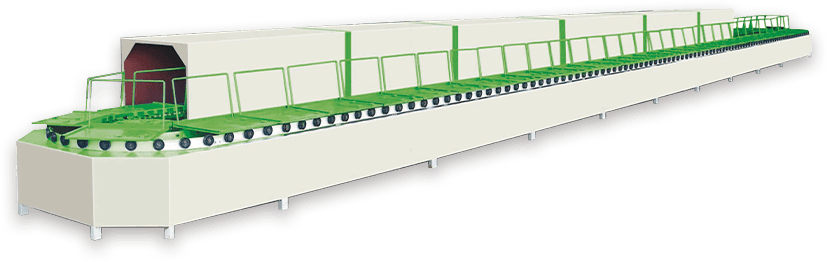
Ring Production Line
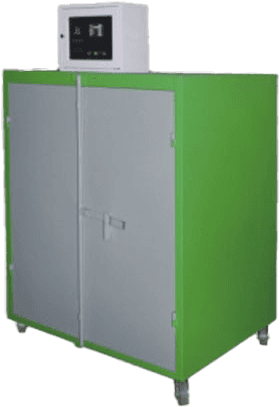
Auto Raw material oven