How to Start a PU Shoe Sole Manufacturing Setup?
The footwear industry continues to grow as demand increases for safety shoes, casual shoes, sandals, slippers, and lightweight comfort footwear. For shoe manufacturers and investors, PU sole production is a practical business opportunity because polyurethane soles are widely used for their comfort, durability, flexibility, and attractive appearance.
If you are planning to build a new shoe factory or upgrade your current production line, starting a PU shoe sole manufacturing setup can help you improve production efficiency, control product quality, and create more value for your footwear business.
What Are PU Shoe Soles?
PU stands for polyurethane. It is a popular material used in shoe soles because it is lightweight, wear-resistant, flexible, and comfortable for daily use. Compared with many traditional sole materials, PU can provide better cushioning and design flexibility.
PU soles are commonly used for:
Safety shoes
Work shoes
Casual shoes
Sandals
Slippers
Sports-style footwear
Multi-color and multi-density shoe soles
With the right machine and mold design, manufacturers can produce different sole styles, colors, densities, and structures according to market demand.
Why Start PU Shoe Sole Manufacturing?
For many footwear brands and factories, outsourcing soles can increase cost and delivery time. By building an in-house PU sole production setup, manufacturers can control production more directly.
A PU shoe sole manufacturing setup can help with:
Faster production scheduling
Better control of sole quality
More flexible color and design options
Lower long-term production cost
Easier development of new shoe models
Stronger competitiveness in the footwear market
For new investors, PU sole manufacturing is also attractive because the market demand is stable. Shoes are daily consumer products, and factories that can offer reliable sole quality, stable delivery, and custom mold development can build long-term customer relationships.
Which Machines Are Required for PU Shoe Sole Manufacturing?
A complete PU shoe sole production setup usually includes several machines and supporting equipment. The exact configuration depends on the shoe type, output requirement, color requirement, mold quantity, and factory layout.
1. PU Pouring Machine
The PU pouring machine is the core equipment of the production line. It mixes and pours PU raw materials into the shoe mold accurately. Different models can support different production needs.
For example, JG Machine offers PU pouring machines such as:
1 color 1 density PU pouring machine
2 colors 2 density PU pouring machine
3 colors 3 density PU pouring machine
If the customer needs simple single-color soles, a 1-color machine may be enough. If the customer wants safety shoes, fashion soles, or higher-end products, a 2-color or 3-color machine may be more suitable.
2. Ring Production Line
The ring production line helps improve production efficiency by organizing molds and workstations in a continuous production process. It allows operators to work more smoothly and helps factories achieve stable output.
According to JG Machine’s standard production line example, an 80-station line can produce 40 pairs of shoes per cycle, and one cycle takes about 5 minutes. Actual output may vary depending on product type, mold design, workers, material condition, and production process.
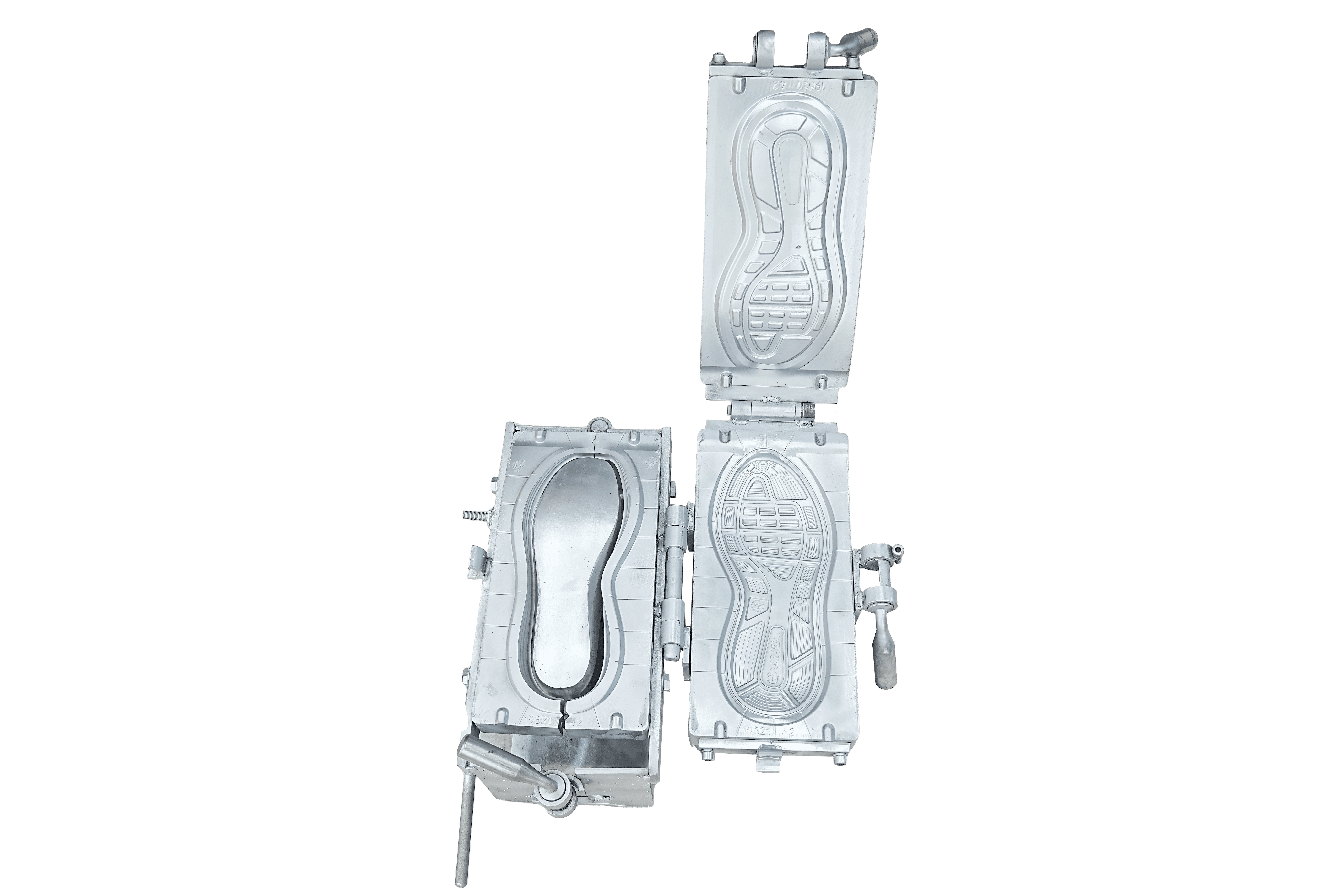
3. PU Shoe Molds
The mold directly determines the shape, size, pattern, and quality of the final sole. Before production starts, the manufacturer needs to develop molds based on shoe samples or drawings.
PU shoe molds can be designed for:
Single-color soles
Two-color soles
Two-density soles
Safety shoe soles
Sandals and slippers
Customized outsole patterns
Good mold design is very important because it affects product appearance, demolding, production efficiency, and final shoe quality.
4. Raw Material Oven
PU raw materials need proper temperature control before and during production. A raw material oven helps keep the materials in suitable condition, making the pouring process more stable and improving the quality of finished soles.
5. Supporting Materials and Accessories
Besides the main machine and molds, PU sole production also requires supporting materials and spare parts, such as:
PU raw materials
Mold release agent
Color paste
Anti-yellowing agent
Metering pump
Pouring head
PLC control parts
Trimming tools
Cleaning system parts
Choosing compatible materials and accessories helps reduce production problems and keeps the whole line running smoothly.
How Much Does a PU Shoe Sole Manufacturing Setup Cost?
The total investment depends on many factors, including machine model, number of stations, mold quantity, automation level, product type, and shipping destination.
A small factory may start with a basic PU pouring machine and a limited number of molds. A larger manufacturer may need a complete ring production line, multiple molds, raw material equipment, and more supporting tools.
Before confirming the setup, it is better to prepare the following information:
Shoe type you want to produce
Required production capacity
Number of colors and densities
Shoe size range
Available factory space
Budget range
Target market and product positioning
With these details, JG Machine can recommend a more suitable machine configuration instead of offering a one-size-fits-all solution.
Production, Profit, and ROI
The profitability of PU shoe sole manufacturing depends on production efficiency, selling price, raw material cost, labor cost, electricity cost, and market demand.
In general, factories with stable orders and efficient production management can benefit from:
Lower unit production cost
Faster delivery to customers
More product customization
Better control over quality and waste
Higher flexibility for new designs
For investors, the key is not only buying a machine, but also building a complete production system that matches real market demand.
How JG Machine Can Help
Starting a PU shoe sole production business may feel complicated, especially for customers entering the footwear manufacturing industry for the first time. JG Machine provides one-stop shoe machine manufacturing solutions from machine recommendation to mold development and shipment.
We can help customers with:
Machine selection
Production line planning
PU shoe mold development
Supporting material purchasing
Spare parts supply
Machine testing before shipment
Installation and operation guidance
Technical support and after-sales service
Our goal is not only to deliver machines, but also to help customers build a practical and reliable shoe production setup.
Conclusion
PU shoe sole manufacturing is a valuable opportunity for footwear manufacturers who want to improve production efficiency, reduce outsourcing dependence, and create more customized shoe products.
With the right PU pouring machine, ring production line, molds, raw materials, and technical support, a factory can build a stable production system for safety shoes, casual shoes, sandals, slippers, and other footwear products.
If you are planning to start or upgrade a PU shoe sole manufacturing setup, contact JG Machine. We will recommend a suitable solution based on your product, capacity, and factory requirements.
You can click on our products below to see more!
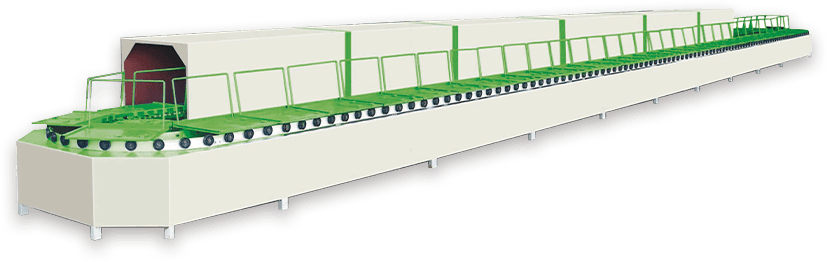
Ring Production Line
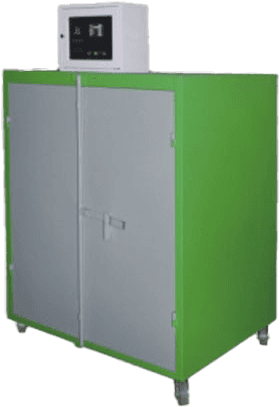
Auto Raw material oven